
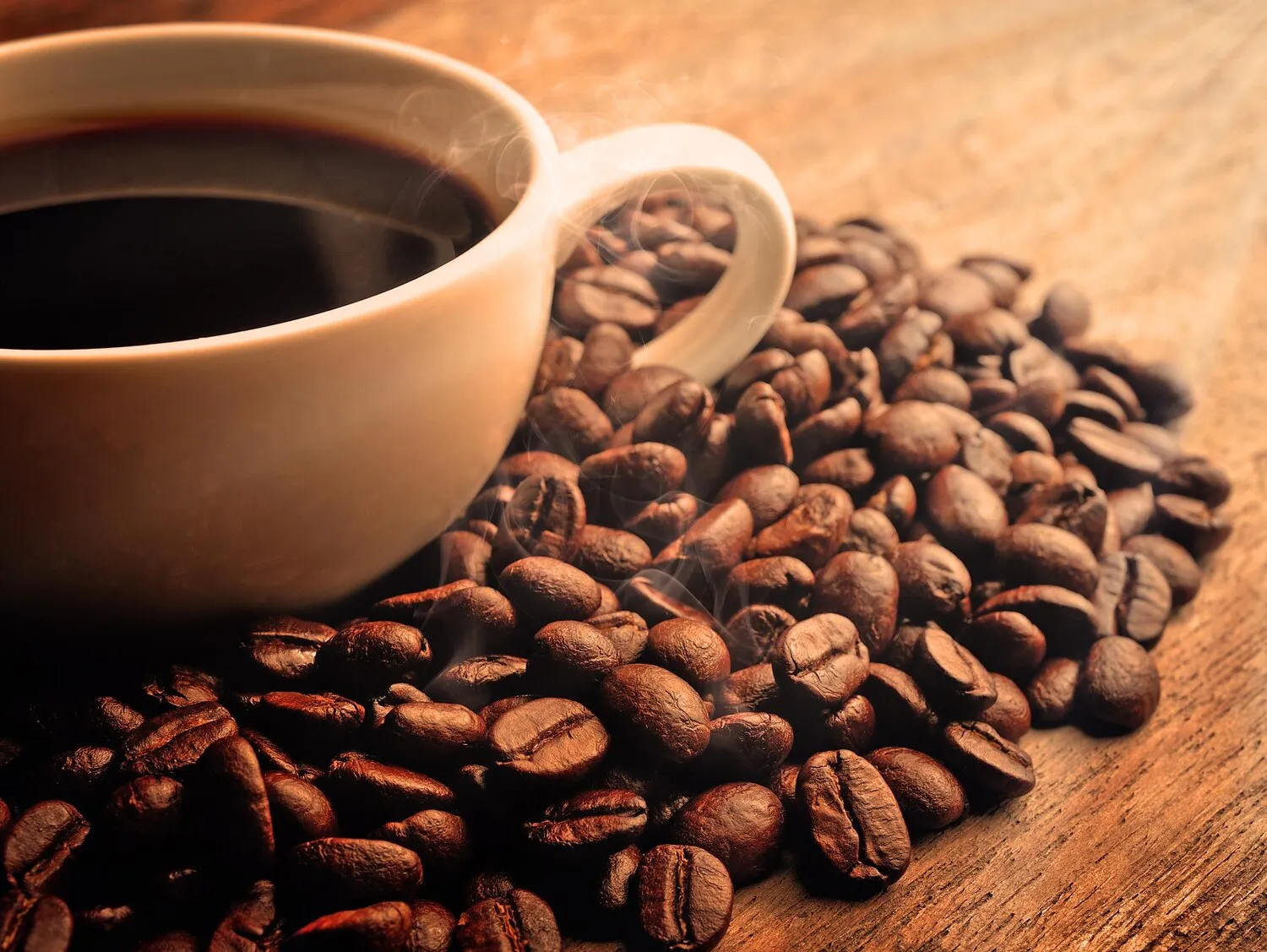

Café
Coffee - Espresso, Cappuccino, and other variations are commonly served.
Tabela Nutricional
* O % do Valor Diário (VD) informa quanto um nutriente em uma porção de alimento contribui para uma dieta diária. 2.000 calorias por dia são usadas para conselhos nutricionais gerais.
Recurso Premium
Padaria Imperial
Recurso Premium
Coffee's journey to Italy began in the 16th century, but the cappuccino as we know it today evolved in the early 20th century in Viennese coffee houses. The original 'Kapuziner' coffee, with whipped cream and sugar, was a precursor. Italians adapted and refined it with espresso and steamed milk, creating the modern cappuccino.
Recurso Premium
The cappuccino is deeply ingrained in Italian coffee culture, typically enjoyed in the morning and considered less appropriate after midday.
Morning Ritual
Italians typically enjoy a cappuccino as part of their breakfast, often paired with a pastry like a cornetto (Italian croissant). Drinking it later in the day is often frowned upon, as it's considered too heavy to consume after a meal.
Social Setting
Coffee bars (cafés) are central to Italian social life, and cappuccinos are a common order for those catching up with friends or taking a quick break.
Simplicity
The cappuccino is appreciated for its simplicity and balance. Elaborate variations with excessive sweeteners or toppings are generally avoided in traditional Italian coffee culture.
Recurso Premium
The cappuccino offers a balanced blend of rich espresso, sweet milk, and airy foam, creating a harmonious flavor profile.
The foundation is a single or double shot of espresso, providing a bold, slightly bitter coffee flavor. This is balanced by steamed milk, which adds sweetness and creaminess. The milk foam, ideally thick and velvety, provides a light, airy texture and a slightly sweet flavor. Some variations may include chocolate powder, cinnamon, or other flavorings.
Recurso Premium
Espresso Quality
Use high-quality, freshly ground coffee beans for the best espresso. The espresso should be rich, crema-laden, and free of bitterness.
Milk Steaming
Steam the milk to create a velvety microfoam – small, tight bubbles that create a smooth, creamy texture. Avoid large, airy bubbles.
Ratio
The traditional cappuccino ratio is 1/3 espresso, 1/3 steamed milk, and 1/3 milk foam. Adjust to your preference, but maintain a balance between the coffee and milk.
Temperature
Serve the cappuccino immediately after preparation, at a temperature that's hot but comfortable to drink.
Recurso Premium
Explore pratos e restaurantes adicionais de Beverage
Explorar BeverageDescubra os melhores restaurantes e experiências culinárias em Limeira.
Explorar LimeiraSaiba mais sobre a cultura gastronômica, a cena de restaurantes e o patrimônio culinário de Brazil.
Explorar Brazil