
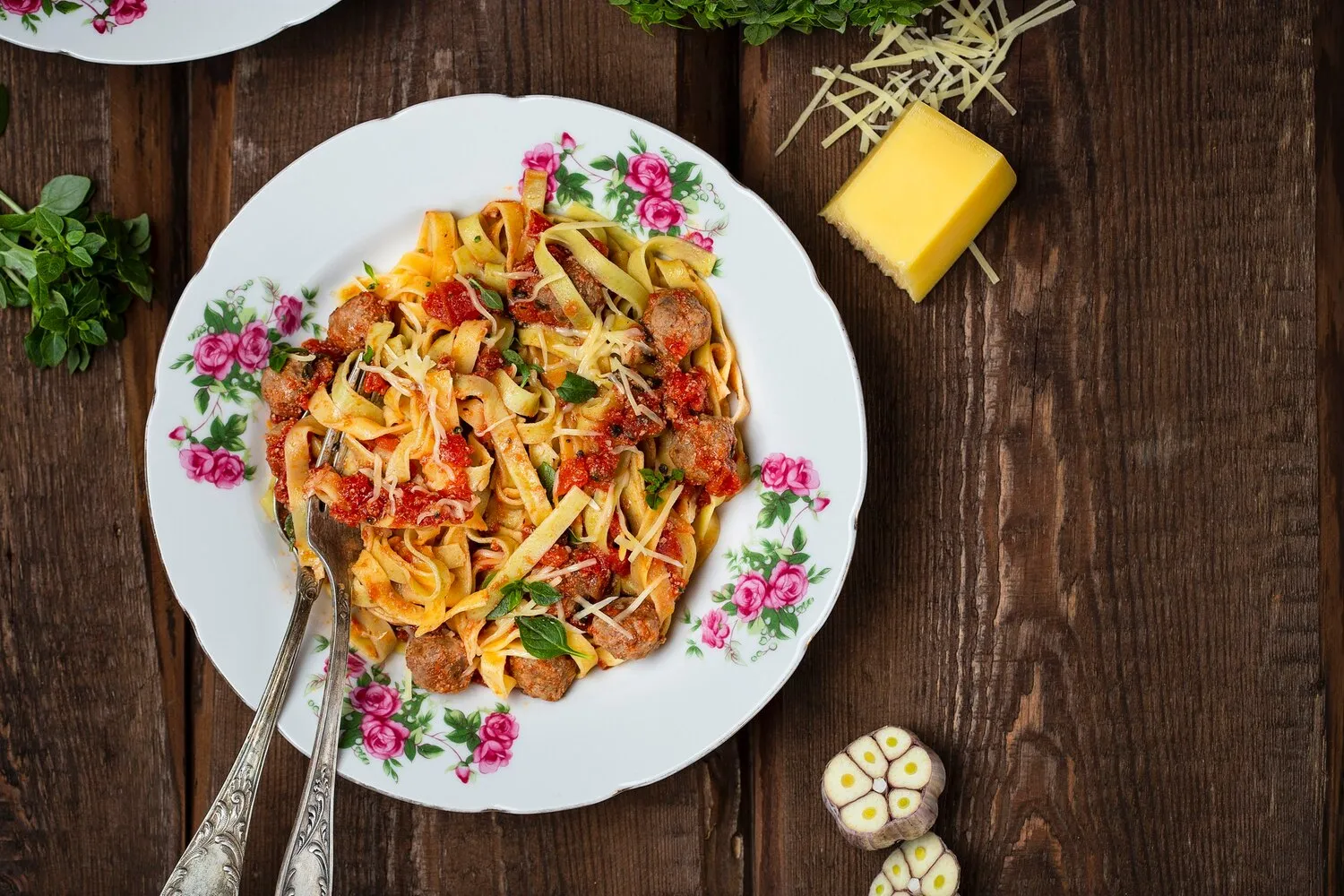

Pasta Dishes
Variety of Pasta dishes
Tabela Nutricional
* O % do Valor Diário (VD) informa quanto um nutriente em uma porção de alimento contribui para uma dieta diária. 2.000 calorias por dia são usadas para conselhos nutricionais gerais.
Recurso Premium
Recurso Premium
Pasta's history is complex, with roots stretching back to ancient civilizations. While often associated with Italy, some believe variations existed in China and the Middle East earlier. However, modern pasta as we know it developed in Italy, evolving over centuries from simple doughs to the hundreds of shapes and preparations enjoyed today. The introduction of durum wheat significantly impacted its texture and shelf life, and the gradual adoption of tomato sauce in the 17th and 18th centuries revolutionized pasta cookery.
Recurso Premium
Pasta is deeply ingrained in Italian culture, representing family, tradition, and regional identity. It's more than just food; it's a central part of social gatherings and celebrations.
Family Meals
Pasta dishes are often the centerpiece of family meals, especially on Sundays, fostering togetherness and conversation.
Regional Variations
Each region of Italy boasts unique pasta shapes and sauces, reflecting local ingredients and culinary traditions. For example, Liguria is known for pesto and trofie pasta, while Bologna is famous for Bolognese sauce and tagliatelle.
Festivals and Celebrations
Pasta plays a significant role in Italian festivals and celebrations, with special dishes prepared for holidays like Christmas and Easter.
Recurso Premium
Pasta dishes offer a vast spectrum of flavors, ranging from simple and fresh to rich and savory, depending on the sauce and accompanying ingredients.
The flavors depend heavily on the sauce. Tomato-based sauces, like marinara and arrabbiata, offer bright acidity and sweetness. Cream-based sauces, such as Alfredo and carbonara, provide richness and indulgence. Pesto, made with basil, pine nuts, garlic, and Parmesan, brings a fresh, herbaceous note. Olive oil-based sauces, often featuring garlic, chili flakes, and herbs, offer a lighter, more aromatic experience. Ingredients like seafood, meats, vegetables, and cheeses further contribute to the overall flavor profile, creating endless possibilities.
Recurso Premium
Cook Pasta 'Al Dente'
Cook pasta until it is firm to the bite, or 'al dente.' This ensures a pleasing texture and prevents it from becoming mushy.
Salt the Pasta Water
Add a generous amount of salt to the pasta water. This seasons the pasta itself, enhancing its flavor.
Reserve Pasta Water
Before draining the pasta, reserve some of the starchy cooking water. This can be added to the sauce to help it cling to the pasta and create a smoother, more emulsified texture.
Combine Pasta and Sauce Immediately
Immediately after draining the pasta, toss it with the sauce. This allows the pasta to absorb the flavors of the sauce and prevents it from sticking together.
Recurso Premium
Explore pratos e restaurantes adicionais de Italian
Explorar ItalianDescubra os melhores restaurantes e experiências culinárias em Macaé.
Explorar MacaéSaiba mais sobre a cultura gastronômica, a cena de restaurantes e o patrimônio culinário de Brazil.
Explorar Brazil