
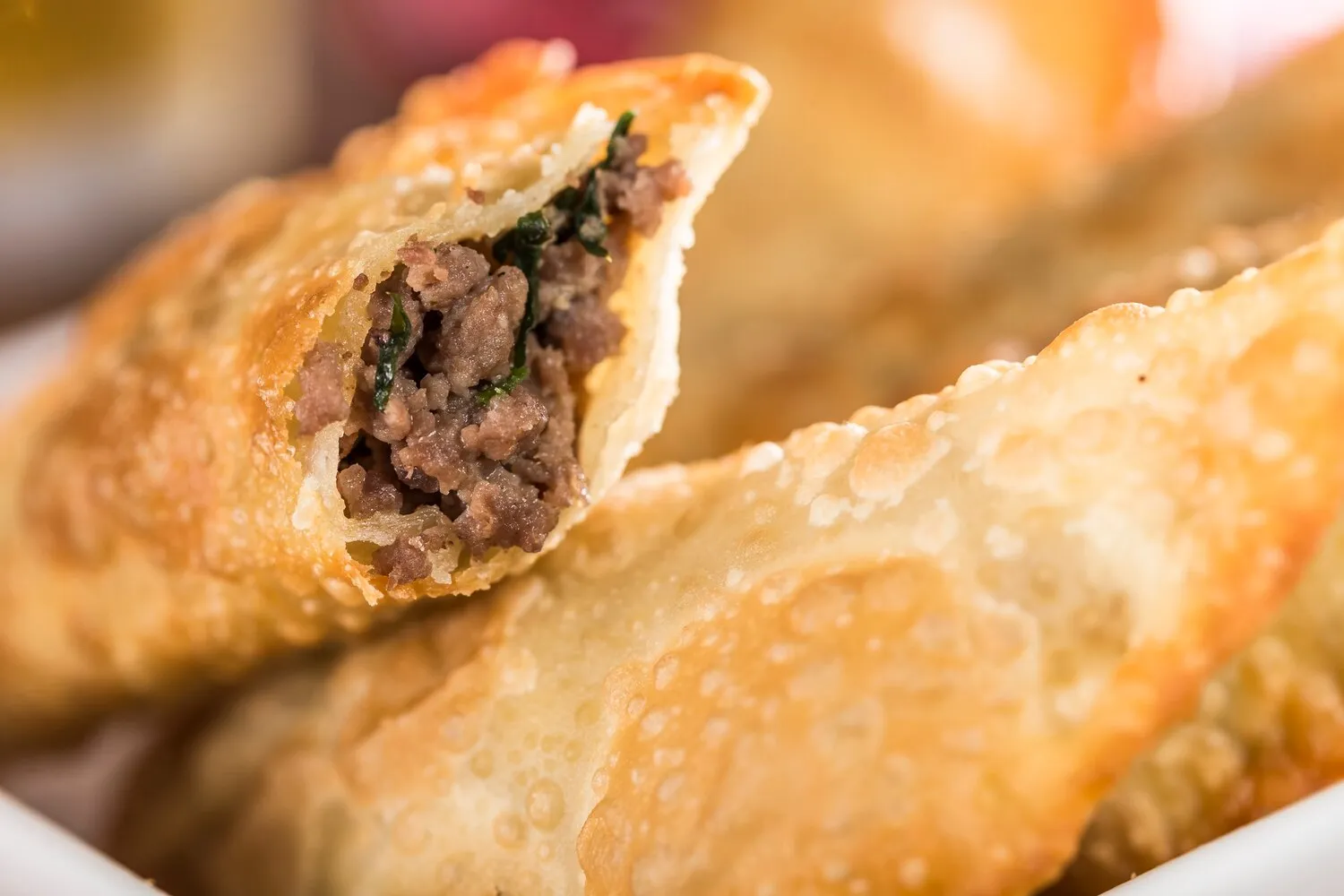

Pastel
Fried pastry with various fillings (cheese, meat, etc.).
Tabela Nutricional
* O % do Valor Diário (VD) informa quanto um nutriente em uma porção de alimento contribui para uma dieta diária. 2.000 calorias por dia são usadas para conselhos nutricionais gerais.
Recurso Premium
Lanchonete Bacana
Recurso Premium
Pastéis, and specifically pastel de nata, likely originated in monasteries. During that time, convents and monasteries had large quantities of egg yolks, which were used for starching habits. The leftover yolks were used to create desserts and pastries, like the Pastel. The technique and ingredients were later adapted and broadened over time.
Recurso Premium
Pastéis are deeply ingrained in the culinary culture of many countries, often enjoyed as street food, snacks, or even as part of a larger meal. Their versatility makes them accessible and popular across various social classes.
Street Food Staple
Pastéis are frequently sold by street vendors, especially in Brazil and Portugal, offering a quick and affordable meal option for busy individuals.
Family gatherings
Pastel can be present in family gatherings, acting like a perfect snack for everyone in a party or reunion.
Regional Variations
Different regions often have their own unique twists on pastéis, with variations in fillings, pastry styles, and cooking methods, reflecting local ingredients and culinary traditions.
Recurso Premium
Pastéis offer a delightful blend of savory or sweet flavors, largely dependent on the filling. The pastry itself is typically neutral, acting as a vessel for the filling's dominant taste.
Common fillings include seasoned ground beef, shredded chicken, cheese (often a blend), or even shrimp. These savory pastéis are often seasoned with herbs, spices (like cumin or paprika), onions, and garlic. Sweet versions, though less common in some regions, might include fruit preserves or sweet cheese.
Recurso Premium
Crispy Pastry
For a truly crispy pastry, ensure the oil is hot enough (around 350-375°F or 175-190°C) before frying. Avoid overcrowding the pan, as this can lower the oil temperature and result in soggy pastéis.
Preventing Leaks
To prevent filling from leaking during frying, make sure to seal the edges of the pastel properly. Using a fork to crimp the edges provides a tight seal.
Experiment with Fillings
Don't be afraid to get creative with fillings! Consider incorporating local ingredients and flavors to create your own signature pastéis.
Draining Excess Oil
After frying, place the pastéis on a wire rack lined with paper towels to drain excess oil. This will help maintain their crispiness.
Recurso Premium
Explore pratos e restaurantes adicionais de Pastry
Explorar PastryDescubra os melhores restaurantes e experiências culinárias em Mauá.
Explorar MauáSaiba mais sobre a cultura gastronômica, a cena de restaurantes e o patrimônio culinário de Brazil.
Explorar Brazil