
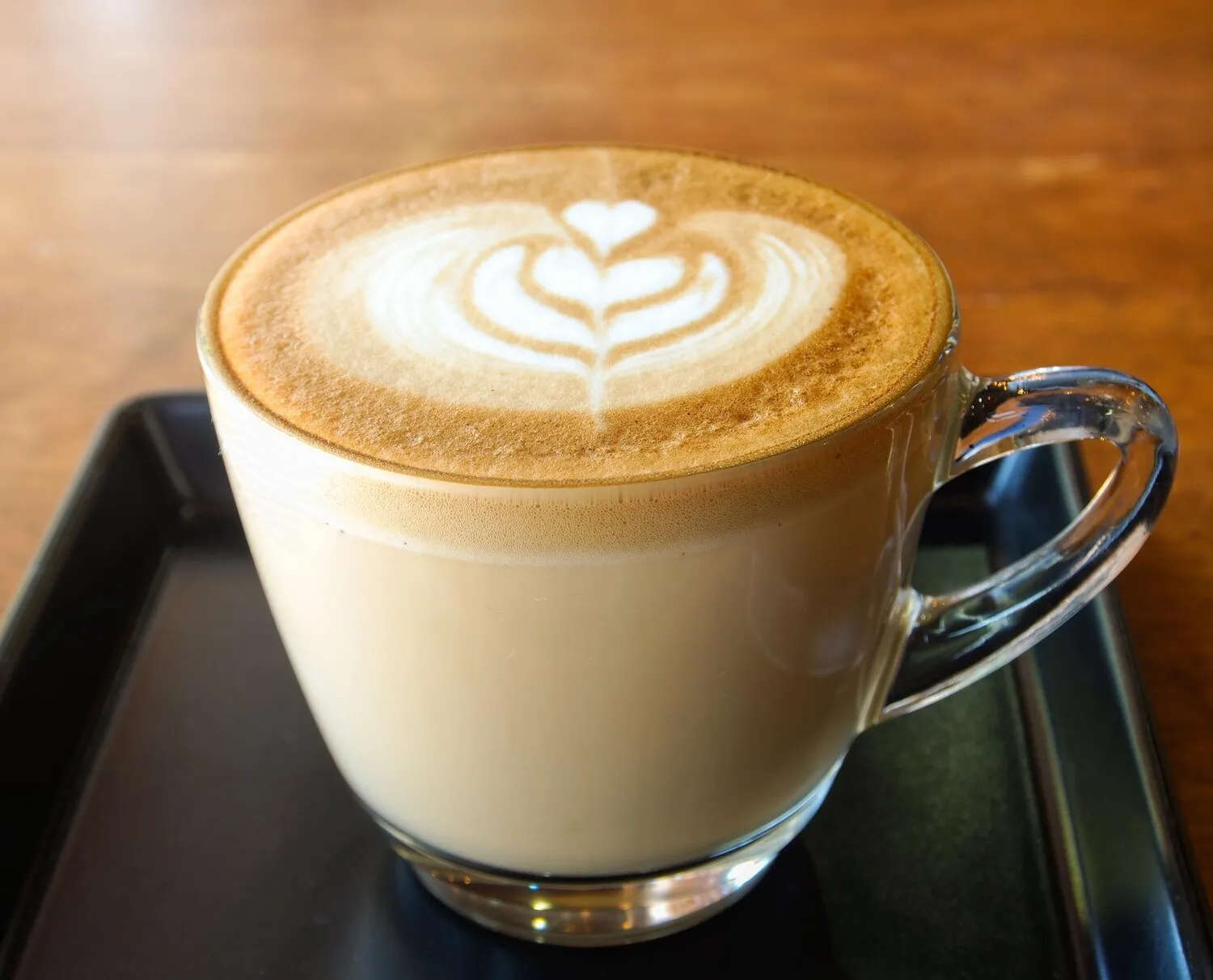

Cappuccino
Espresso-based drink with steamed milk and foamed milk.
Tabela Nutricional
* O % do Valor Diário (VD) informa quanto um nutriente em uma porção de alimento contribui para uma dieta diária. 2.000 calorias por dia são usadas para conselhos nutricionais gerais.
Recurso Premium
Le Gaban Cafeteria
Recurso Premium
Cappuccino's origins can be traced back to the Viennese 'Kapuziner' coffee, which included coffee with cream and sugar. The modern cappuccino as we know it, with its specific layered structure of espresso, steamed milk, and foamed milk, developed in Italy in the early 20th century, evolving with the invention and widespread adoption of espresso machines.
Recurso Premium
The cappuccino is deeply embedded in Italian coffee culture and has become a global symbol of café culture.
Breakfast Drink
In Italy, the cappuccino is traditionally a breakfast drink, often enjoyed with a pastry like a croissant or biscotti. It's generally not consumed after 11 AM, as it's considered too heavy for later in the day.
Social Ritual
Enjoying a cappuccino in a café is a social ritual in Italy, a moment to relax and connect with friends or simply observe the world. It's an integral part of daily life.
Global Adaptation
Outside of Italy, the cappuccino has been adapted to suit local tastes, with variations in milk type, flavorings (like chocolate or vanilla), and serving size. It is enjoyed throughout the day in most parts of the world.
Recurso Premium
The cappuccino offers a balanced flavor profile characterized by the bold intensity of espresso softened by the creamy sweetness of milk and a light, airy texture from the foam.
The primary flavor is the robust and slightly bitter taste of espresso, which provides a foundation of coffee flavor. This is complemented by the smooth, subtly sweet taste of steamed milk, which tempers the bitterness and adds a creamy texture. The foamed milk contributes a light, airy mouthfeel and a delicate sweetness, enhancing the overall drinking experience. High-quality espresso beans are crucial for a balanced and enjoyable flavor; the quality of milk also significantly impacts the drink's texture and sweetness.
Recurso Premium
Espresso Quality
Use freshly roasted, high-quality espresso beans and ensure proper extraction to achieve a balanced and flavorful espresso shot. The espresso should be rich, aromatic, and free from bitterness or sourness.
Milk Steaming
Steam the milk to create a velvety microfoam with a smooth, glossy texture. The milk should be heated to around 140-160°F (60-70°C) to achieve optimal sweetness and texture. Avoid creating large bubbles.
Pouring Technique
Pour the steamed milk into the espresso in a circular motion to incorporate the foam evenly. The cappuccino should have a distinct layer of foamed milk on top, about 1 cm thick. Alternatively, create latte art for visual appeal.
Milk Type
Whole milk is traditionally used for its rich flavor and ability to create a stable microfoam. However, alternative milk, like oat milk or almond milk, can be used to cater for dietary preferences. The milk protein affects foam and taste, however.
Recurso Premium
Explore pratos e restaurantes adicionais de Coffee
Explorar CoffeeDescubra os melhores restaurantes e experiências culinárias em São Carlos.
Explorar São CarlosSaiba mais sobre a cultura gastronômica, a cena de restaurantes e o patrimônio culinário de Brazil.
Explorar Brazil