
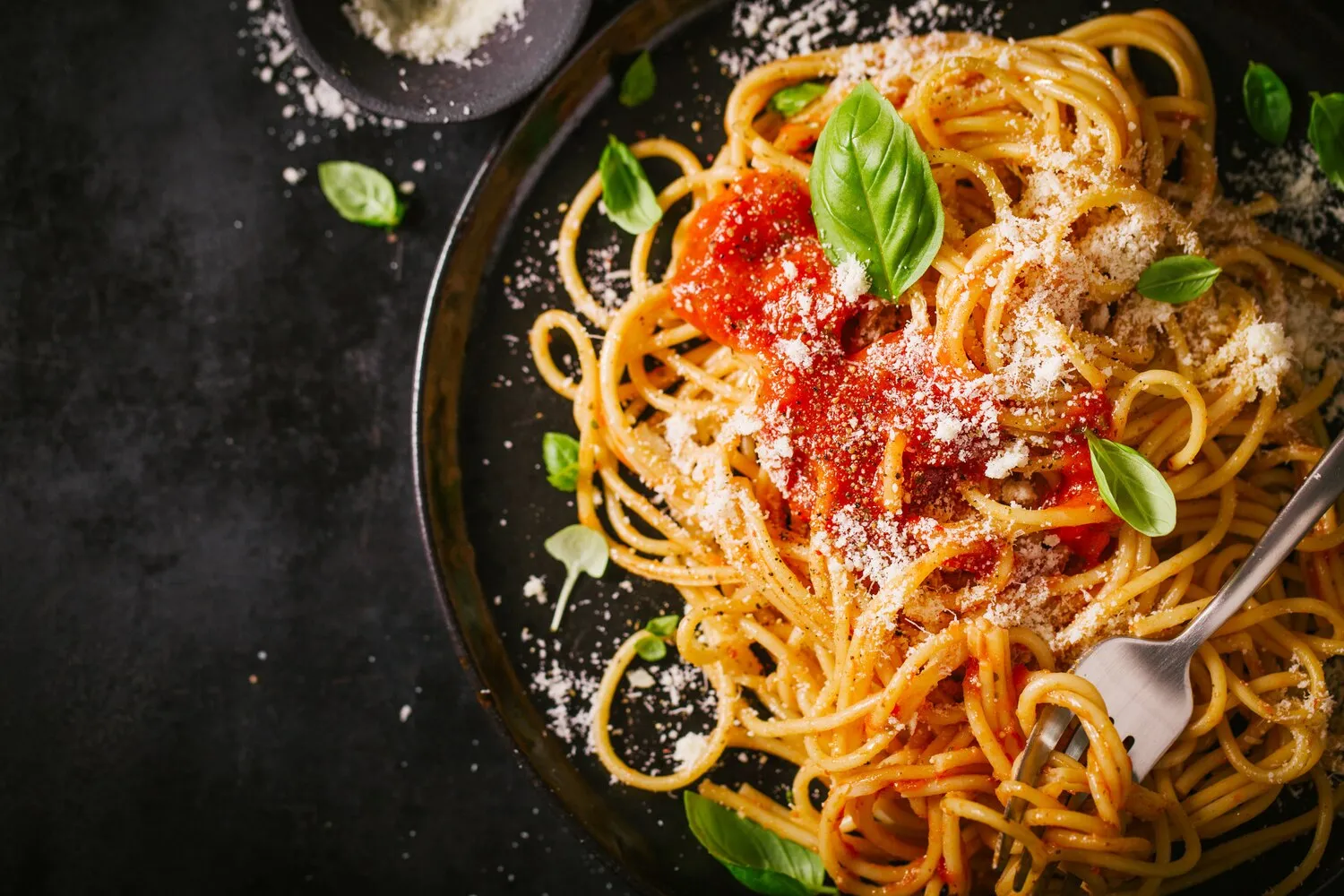

Pasta
They serve pasta dishes with different sauces and ingredients.
Tabela Nutricional
* O % do Valor Diário (VD) informa quanto um nutriente em uma porção de alimento contribui para uma dieta diária. 2.000 calorias por dia são usadas para conselhos nutricionais gerais.
Recurso Premium
pomodoro
Recurso Premium
Pasta's history is long and complex, with evidence suggesting precursors existed in ancient civilizations. However, modern pasta as we know it developed in Italy, particularly in Sicily during the Middle Ages. The introduction of durum wheat and efficient drying techniques solidified its place in Italian cuisine. Trade routes and regional variations further shaped the diverse range of pasta shapes and sauces.
Recurso Premium
Pasta is more than just food in Italy; it's a cultural symbol, deeply ingrained in family traditions, regional identities, and social gatherings. The act of making and sharing pasta fosters a sense of community and belonging.
Family Meals
Pasta dishes are frequently at the center of large family meals, especially on Sundays or holidays. Recipes are often passed down through generations, representing a connection to ancestors and heritage.
Regional Variations
Each region of Italy boasts its own unique pasta shapes and sauce combinations, reflecting local ingredients and culinary traditions. This diversity showcases the richness and complexity of Italian cuisine.
Social Occasions
Pasta is a staple at celebrations and social events, symbolizing abundance and hospitality. Sharing a bowl of pasta is a gesture of friendship and goodwill.
Recurso Premium
Pasta's flavor profile is incredibly diverse, as it largely depends on the sauce and accompanying ingredients. The pasta itself provides a blank canvas, allowing the flavors of tomatoes, herbs, cheeses, meats, and vegetables to shine.
Common flavor profiles include: rich and savory (meat sauces like Bolognese), bright and acidic (tomato-based sauces with basil), creamy and decadent (Alfredo or carbonara), spicy (arrabiata), and fresh and herbaceous (pesto). Ingredients like garlic, olive oil, parmesan cheese, and various spices are fundamental in building these flavors.
Recurso Premium
Cook Pasta Al Dente
Al dente, meaning 'to the tooth,' refers to pasta that is firm and slightly chewy when bitten. Avoid overcooking, as it will become mushy. Start testing the pasta a minute or two before the recommended cooking time.
Reserve Pasta Water
Before draining the pasta, reserve about a cup of the cooking water. This starchy water can be added to the sauce to help it cling to the pasta and create a creamy emulsion.
Emulsify the Sauce
When combining the pasta and sauce, toss them together vigorously over low heat. The starch from the pasta and the fat from the sauce will emulsify, creating a cohesive and flavorful dish.
Recurso Premium
Explore pratos e restaurantes adicionais de Italian
Explorar ItalianDescubra os melhores restaurantes e experiências culinárias em Huelva.
Explorar HuelvaSaiba mais sobre a cultura gastronômica, a cena de restaurantes e o patrimônio culinário de Spain.
Explorar Spain