
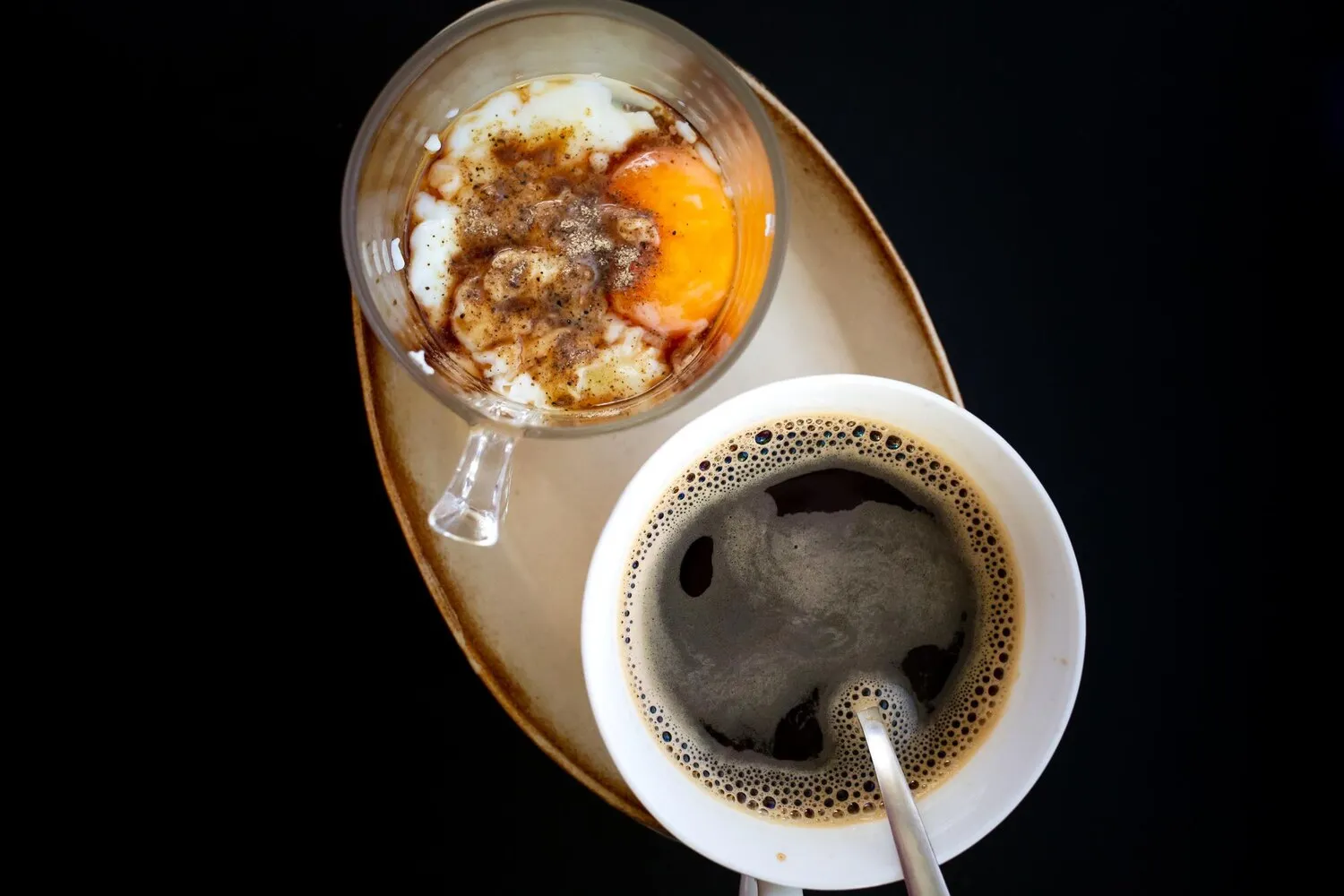

Espresso
High-quality espresso drinks are a staple, from classic espressos to cappuccinos and lattes.
Tabela Nutricional
* O % do Valor Diário (VD) informa quanto um nutriente em uma porção de alimento contribui para uma dieta diária. 2.000 calorias por dia são usadas para conselhos nutricionais gerais.
Recurso Premium
Ristorante Vanini Dolce & Caffé
Recurso Premium
Espresso's history began in late 19th-century Italy, driven by a desire to brew coffee more quickly. Angelo Moriondo patented a 'new steam machinery for the economic and instantaneous confection of coffee beverage' in 1884. Later innovations by Luigi Bezzera and Desiderio Pavoni refined the process and commercialized the espresso machine, establishing espresso as a symbol of Italian coffee culture.
Recurso Premium
Espresso is deeply ingrained in Italian culture and has spread globally, influencing coffee consumption habits and social interactions. It represents a quick, ritualistic break, often enjoyed at bars or cafes as a moment of social connection and energy boost.
Italian Bar Culture
In Italy, espresso is typically consumed standing at a bar, often in a single gulp, and accompanied by a brief chat with the barista. It's a social custom and an integral part of daily life.
Global Coffee Culture
Espresso has become the foundation for countless coffee drinks worldwide, including cappuccinos, lattes, macchiatos, and Americanos. Its versatility and concentrated flavor have made it a staple in coffee shops globally.
Ritual and Routine
For many, espresso is a daily ritual, a way to start the day or provide an afternoon pick-me-up. The act of preparing and consuming espresso is often a mindful and enjoyable experience.
Recurso Premium
Espresso boasts a concentrated and intense flavor profile, characterized by its robust bitterness, subtle sweetness, and rich aroma. Key flavors include notes of dark chocolate, roasted nuts, and often a hint of fruit or spice, depending on the coffee bean origin and roast level.
The flavor complexity arises from the extraction process. High pressure forces hot water through finely-ground coffee beans, extracting oils, acids, and sugars. The result is a concentrated liquid with a thick crema (a layer of emulsified oils) on top. Over-extraction leads to excessive bitterness, while under-extraction results in sourness. The roast level plays a significant role, with darker roasts exhibiting more intense bitterness and smoky notes, and lighter roasts showcasing brighter acidity and fruity flavors. Bean origin imparts further nuances, from the chocolate and nutty flavors of South American beans to the floral and citrus notes of East African varieties.
Recurso Premium
Bean Quality and Freshness
Use high-quality, freshly roasted coffee beans. Freshly ground beans release more aroma and flavor, resulting in a richer espresso.
Grind Size
The grind size should be fine and consistent, resembling table salt. An inconsistent or incorrect grind can lead to under- or over-extraction.
Tamping Pressure
Tamp the coffee grounds evenly and firmly with about 30 pounds of pressure. Uneven tamping can create channels for water to flow through, resulting in inconsistent extraction.
Water Temperature
The ideal water temperature is around 195-205°F (90-96°C). Too cold, and the espresso will be sour; too hot, and it will be bitter.
Recurso Premium
Explore pratos e restaurantes adicionais de Beverage
Explorar BeverageDescubra os melhores restaurantes e experiências culinárias em Lugano.
Explorar LuganoSaiba mais sobre a cultura gastronômica, a cena de restaurantes e o patrimônio culinário de Switzerland.
Explorar Switzerland