
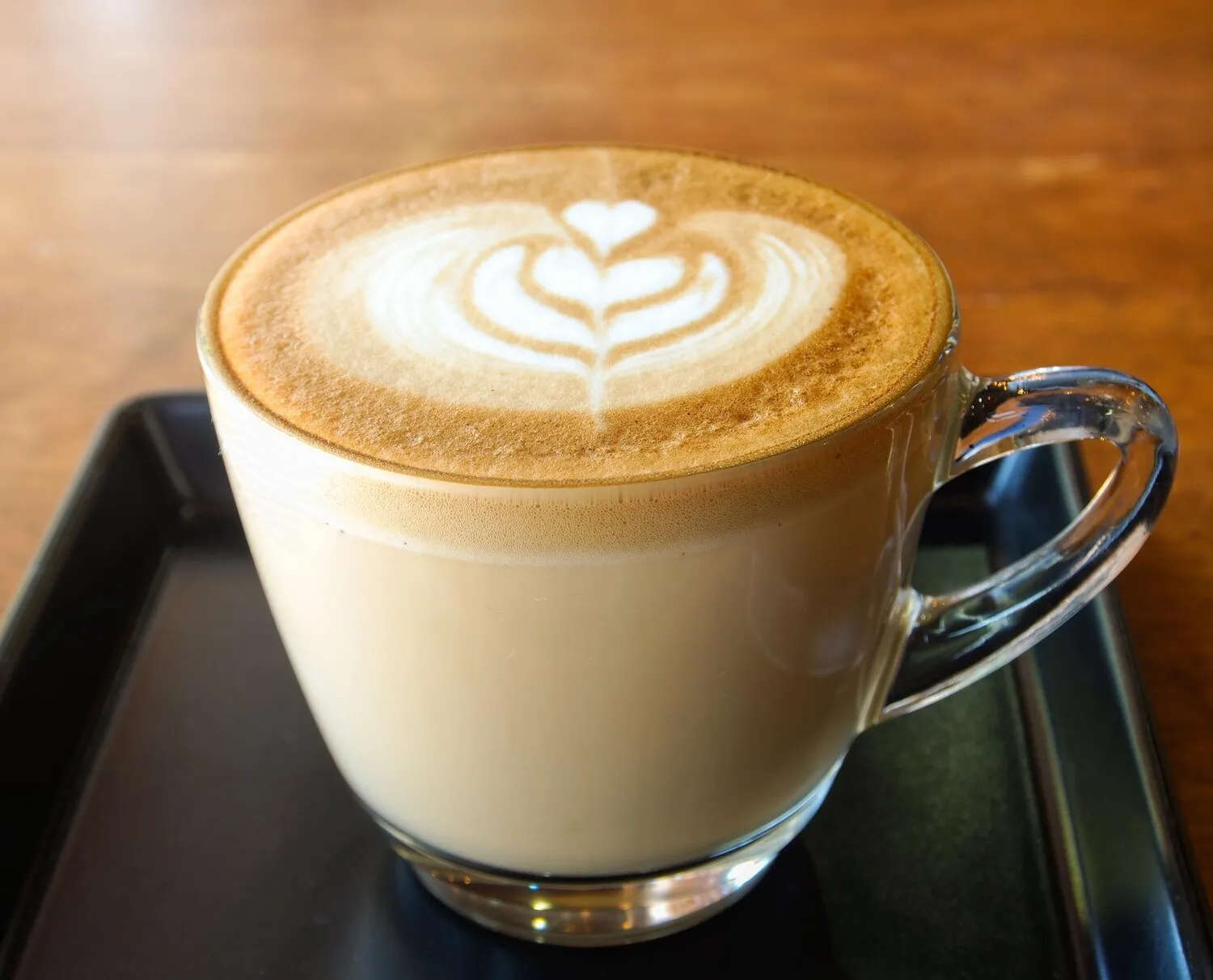

Cappuccino
Classic Italian coffee drink with espresso and steamed milk foam.
Tabela Nutricional
* O % do Valor Diário (VD) informa quanto um nutriente em uma porção de alimento contribui para uma dieta diária. 2.000 calorias por dia são usadas para conselhos nutricionais gerais.
Recurso Premium
Recurso Premium
The cappuccino evolved from the Viennese 'Kapuziner' coffee in the 18th century, which included coffee with cream and sugar. The Italian cappuccino, as we know it today, emerged in the early 20th century with the advent of espresso machines. The name refers to the resemblance of the drink's color to the robes of Capuchin monks.
Recurso Premium
The cappuccino is deeply ingrained in Italian coffee culture and is typically enjoyed in the morning, often with a pastry. It's considered a breakfast drink and is less commonly consumed after 11 AM.
Morning Ritual
In Italy, cappuccino is almost exclusively consumed in the morning, often as part of a breakfast ritual at a local bar. It is usually paired with a cornetto (Italian croissant) or other pastry.
Social Aspect
Enjoying a cappuccino at a bar is a social activity, a quick stop for coffee and conversation with friends or colleagues before starting the day.
Coffee Art
Latte art, the creation of patterns and designs on the foam's surface, is a common practice and reflects the barista's skill and attention to detail. It enhances the visual appeal of the drink.
Recurso Premium
The cappuccino offers a balanced blend of rich espresso, sweet steamed milk, and airy milk foam, creating a delightful textural and flavor experience.
The primary flavor is the intense, slightly bitter taste of espresso, providing a bold coffee kick. This is softened and sweetened by the addition of steamed milk, which adds a creamy texture and subtle sweetness. The milk foam on top provides a light, airy contrast to the richer flavors below. Some variations include dusting the foam with cocoa powder or cinnamon for added aroma and a touch of spice.
Recurso Premium
Espresso Quality
Use freshly roasted, high-quality espresso beans and a properly calibrated espresso machine to ensure a rich and flavorful base for the cappuccino.
Milk Steaming Technique
Properly steam the milk to create microfoam - tiny, velvety bubbles - that are evenly distributed throughout the milk. Avoid creating large, frothy bubbles, as this will result in a less desirable texture.
Proportion is Key
The traditional ratio for a cappuccino is 1/3 espresso, 1/3 steamed milk, and 1/3 milk foam. Adjust the proportions to your personal preference, but maintain the balance for the best flavor.
Serving Temperature
Serve the cappuccino immediately after preparation to ensure it is hot and the foam is at its peak. A lukewarm cappuccino is a disappointment.
Recurso Premium
Explore pratos e restaurantes adicionais de Coffee
Explorar CoffeeDescubra os melhores restaurantes e experiências culinárias em St. Gallen.
Explorar St. GallenSaiba mais sobre a cultura gastronômica, a cena de restaurantes e o patrimônio culinário de Switzerland.
Explorar Switzerland